
A Legacy of Olympic Infrastructure in Turin
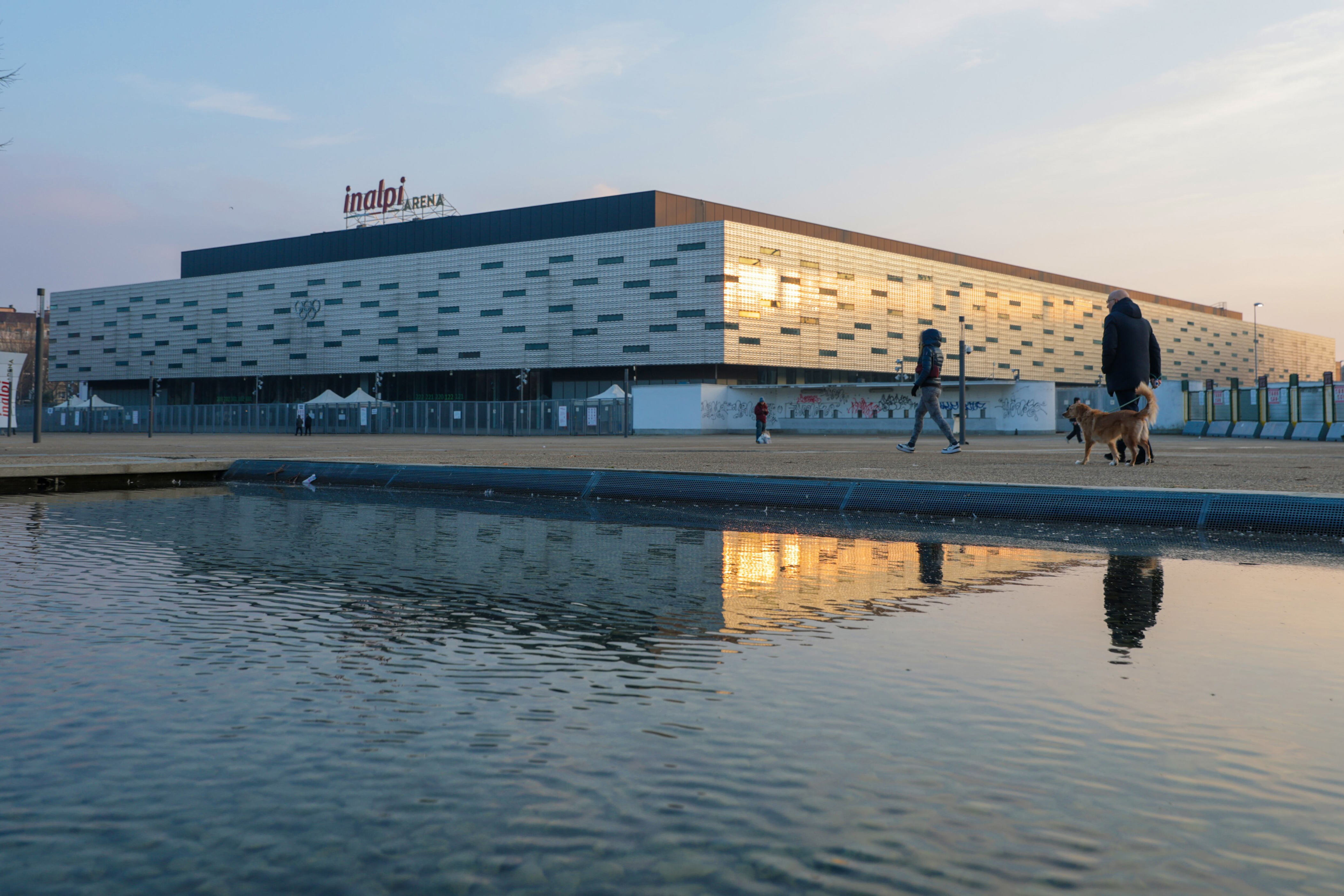
Marco, a 50-year-old resident of Turin, expressed his disappointment during an interview. He noted that the city had a well-established stadium, which could have been used for the 2026 Winter Olympics. Instead, officials opted to build a new venue, a decision he believes was costly and unnecessary. The Ilnapi Arena, once an ice hockey venue during the 2006 Turin Winter Olympics, still bears the five-ring emblem on its exterior wall. Marco recalled hearing about the ongoing construction of the Milan ice hockey venue, which he found disheartening. He mentioned that there had been discussions about using the Ilnapi Arena during the Olympics to save time and money, but those plans never materialized.
A few kilometers away from the Ilnapi Arena, the Oval Lingotto was buzzing with activity. The venue, previously a speed skating site during the 2006 Olympics, now hosts various exhibitions and indoor sports events. Similarly, the Palavela rink, which was the figure skating venue, and the ski resort on the outskirts of Turin, where alpine skiing took place, continue to be active in hosting competitions.
The Two-City Olympics: Milan and Cortina
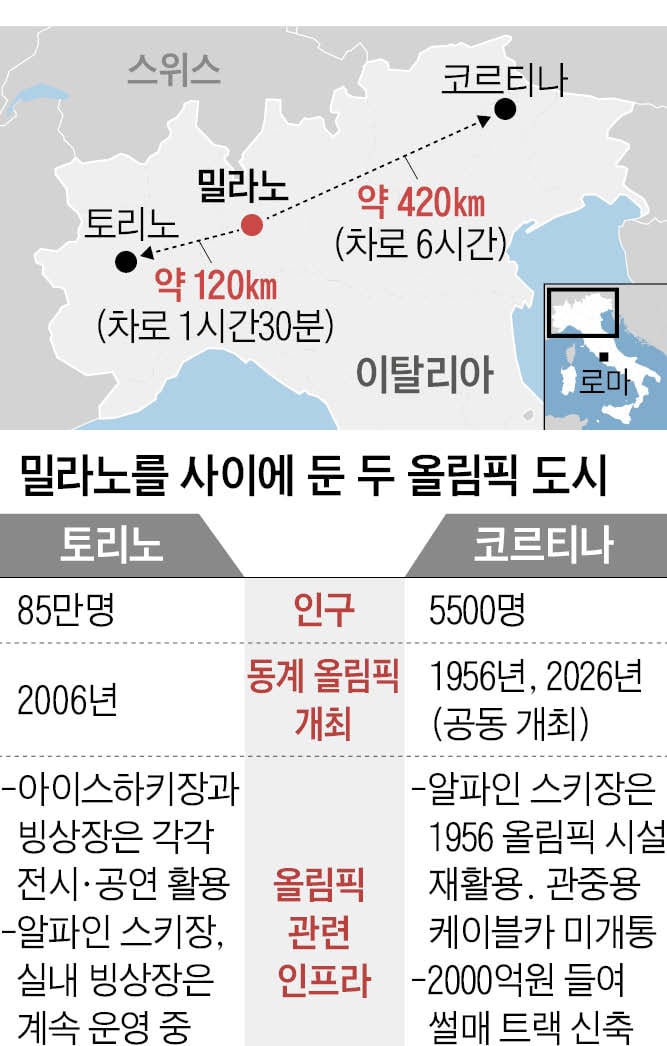
The main theme of the 2026 Milan Cortina Winter Olympics is the “two-city Olympics.” To host the event, Milan partnered with Cortina, located approximately 420 km northeast in the Alps. This collaboration aimed to supplement Milan’s lack of certain facilities. However, Cortina, a small city with a population of just 5,500, required significant infrastructure improvements. A cable car project, costing hundreds of billions of Korean won, was built near the ski venue, but it remains unfinished. Additionally, the newly constructed bobsleigh and skeleton track, costing 120 million euros (around 207 billion Korean won), has faced criticism for its rushed completion.
Controversies and Criticisms
As controversies over Olympic venues continue, voices in Italy are growing louder, questioning whether Milan’s exclusion of Turin as a co-host was the right choice. Critics argue that Turin, being physically close and possessing well-established Olympic infrastructure, should have been considered. Locally, it is believed that political interests and the rivalry between Milan and Turin influenced the decision. Prioritizing regional pride over practical benefits such as cost savings and smooth event management proved to be a misstep.
Construction Challenges in Milan
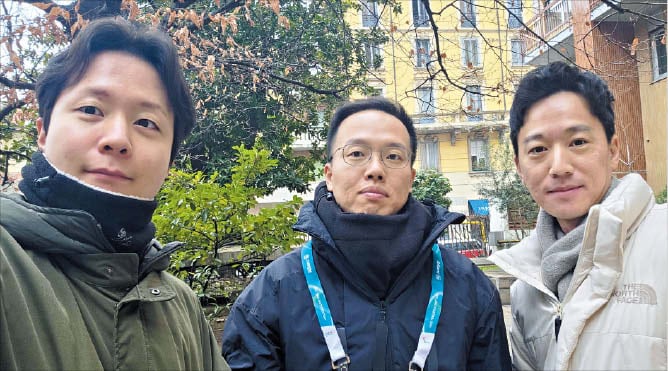
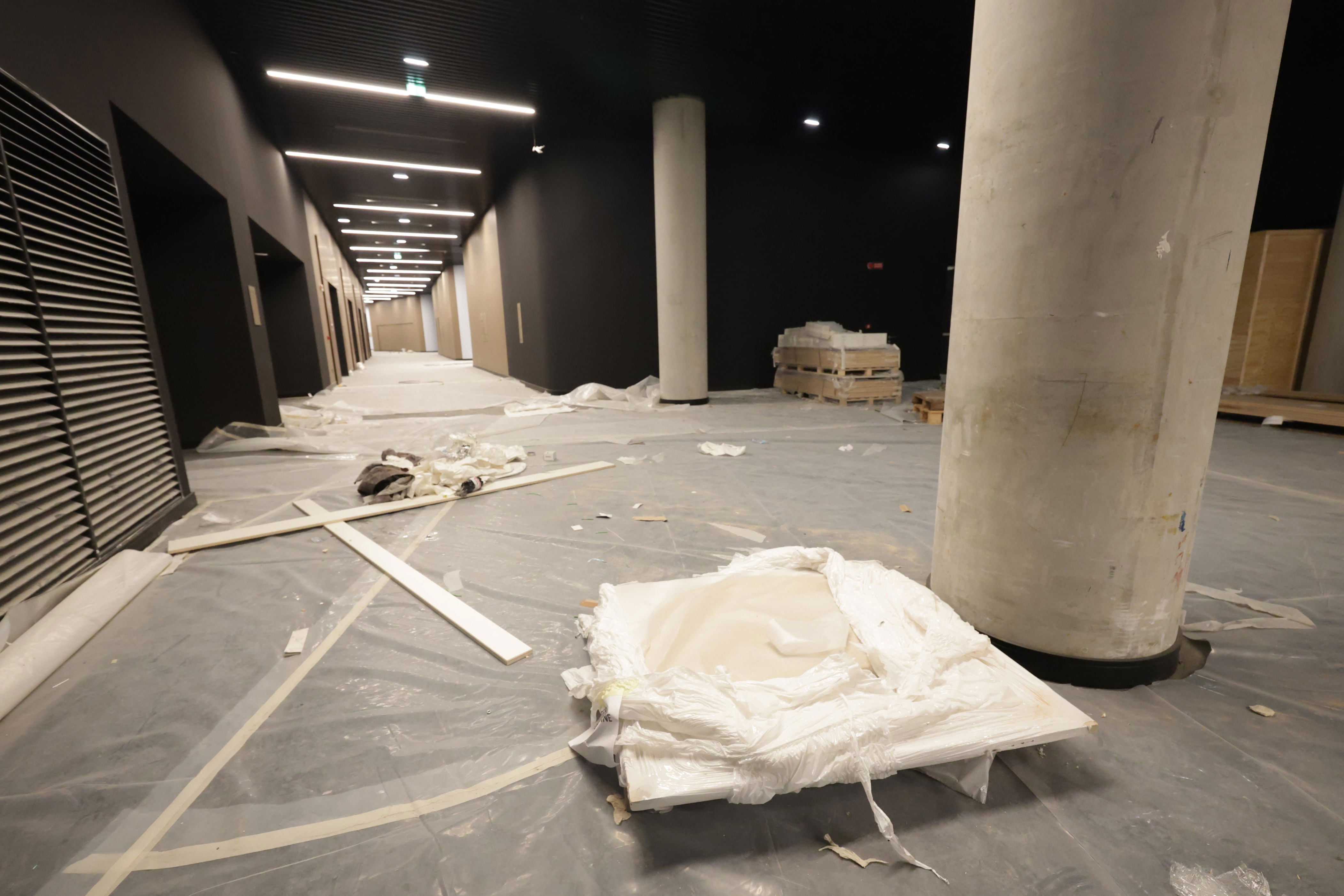
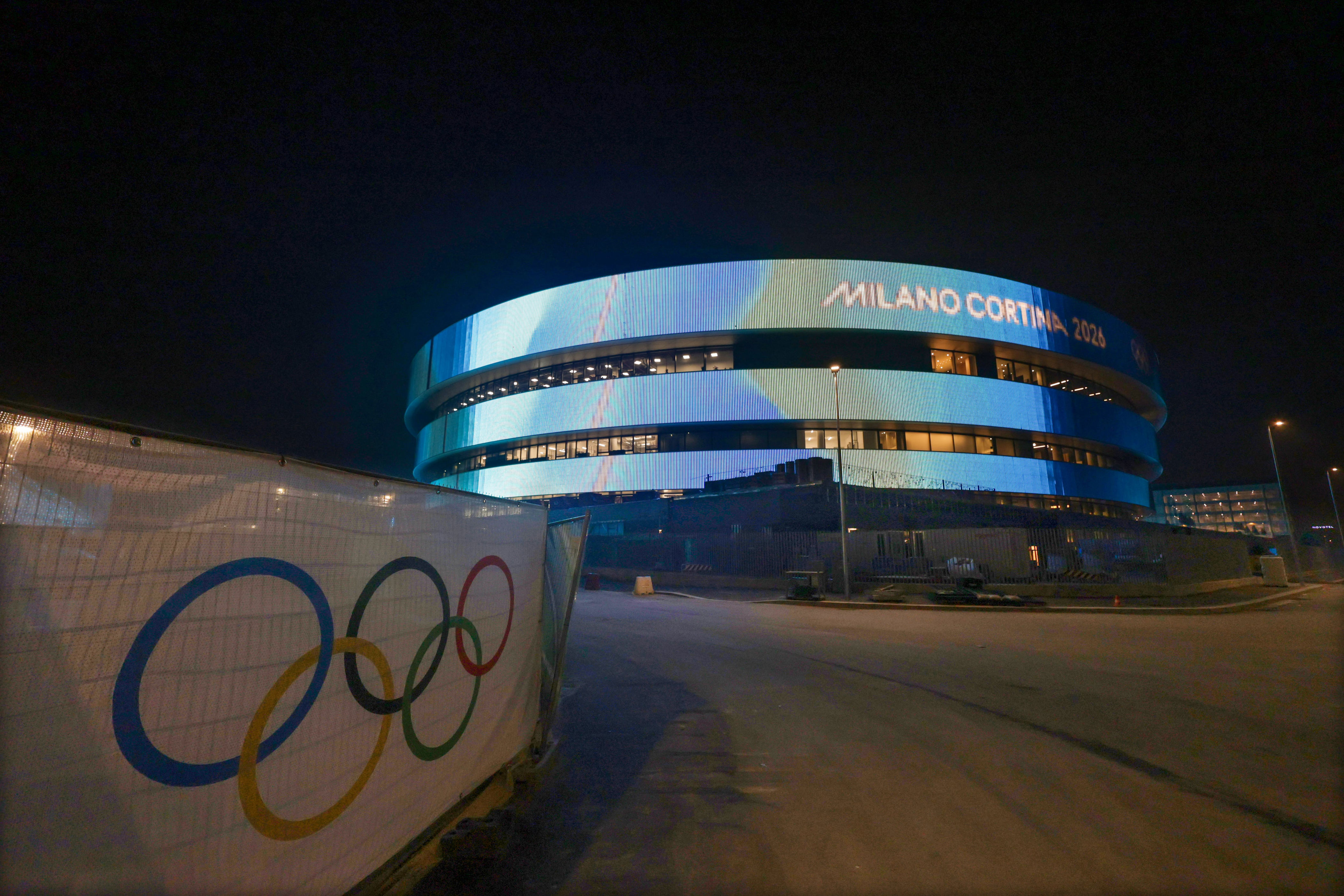
Leaving Turin, the focus shifted to Milan’s Santa Giulia ice hockey venue. Upon entering the building, where women’s ice hockey will be held on the 5th, construction materials and plastic sheets were scattered across the corridor floors, and some pillars remained unpainted. The venue has reportedly exceeded 400 billion won in construction costs due to rising material prices. Although it is a private project, the cost of connecting public transportation and building surrounding infrastructure is substantial. The temporary speed skating venue at the Fiera Milano exhibition center has also come under scrutiny. About 30 billion won was invested over five months to install the temporary ice rink, but international skating officials have raised concerns about the unstable ice quality.
Reactions and Expert Opinions
The newly built sled venue in Cortina, chosen as Milan’s Olympic partner, has drawn reactions of “regret.” Despite the high cost, construction delays pushed the test event to November of last year. During this process, some suggested holding sled events in Austria or the U.S. In the early stages of preparing for the 2026 Olympics, Turin was included as a co-host. However, Turin was eventually excluded, leading to the final decision of Milan and Cortina as co-hosts. Turin proposed cooperation multiple times, emphasizing “cost reduction,” but was rejected. Regarding the sled track, Turin suggested renovating and reopening their existing track for 50 billion won instead of spending 200 billion won on a new one, but Milan refused.
Local experts point out that unnecessary waste occurred due to regional selfishness. Italian urban planning expert Beatrice Citterio criticized in local media, “It’s hard to understand why massive taxpayer money was invested in building a bobsleigh track,” adding, “The event has become inconsistent with the IOC’s principle of eco-friendly, low-cost hosting.” Professor Kim Do-gyun from Kyunghee University Graduate School of Physical Education said, “Efficiency and rationality seem to have been deprioritized in the process of using the Olympics as a ‘city branding’ opportunity.”